
Blade Cultivator
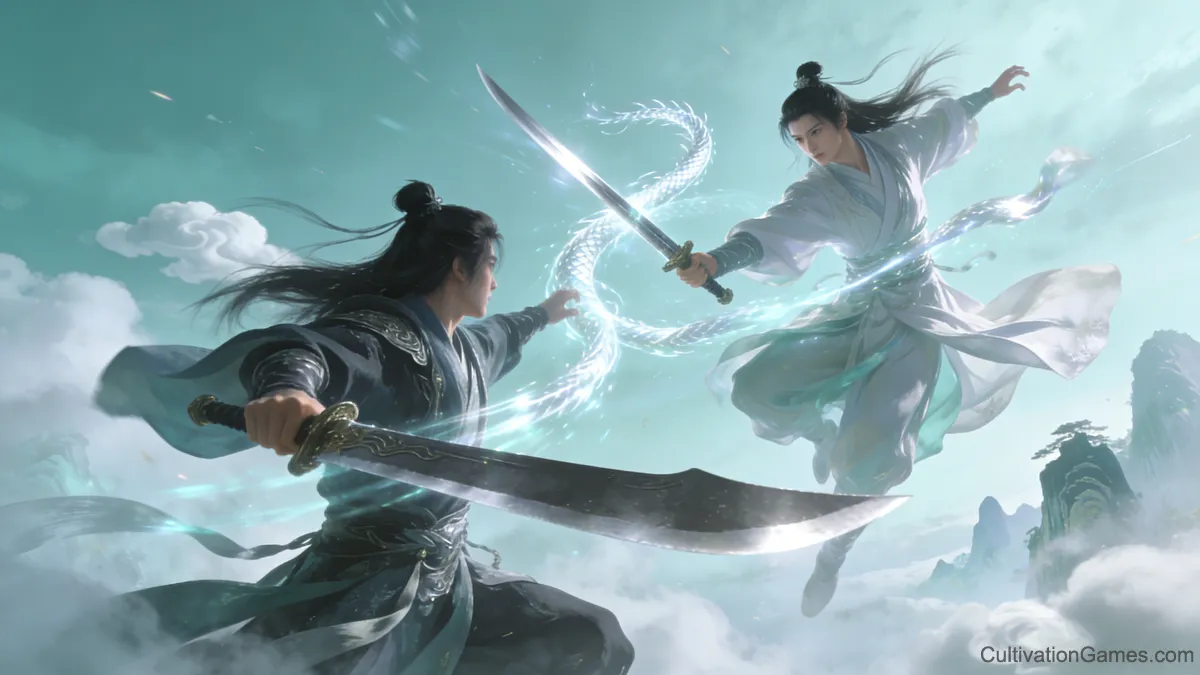
Definition
Blade Cultivators favor aggressive, close-quarters combat built around overwhelming force and momentum. Their techniques emphasize heavy strikes, cleaving attacks, and sustained pressure. Compared to sword cultivators, they trade elegance and range for raw impact, durability, and battlefield dominance.
Note: For entertainment only. Fictional mechanics—Do not attempt in real life.
Strengths & Weaknesses
| Aspect | Strengths | Weaknesses |
|---|---|---|
| Damage | High sustained melee DPS | Lower burst than sword builds |
| Defense | Better HP and mitigation | Still vulnerable to crowd control |
| Playstyle | Straightforward and aggressive | Limited ranged options |
| Scaling | Strong mid-game scaling | Late-game mobility issues |
Gameplay Considerations (With Examples)
Sword Cultivators get all the glory.
Flying blades. Perfect spacing. Screen-wide clears that look like poetry. Meanwhile, Blade Cultivators usually show up covered in blood, standing a little too close to the enemy, wondering why their health bar is always half gone.
And yet—people keep picking the blade.
Not because it’s elegant.
Because it’s honest.
Blade cultivation isn’t about control. It’s about pressure. You don’t dance around enemies. You walk straight at them and dare them to stop you.
Most can’t.
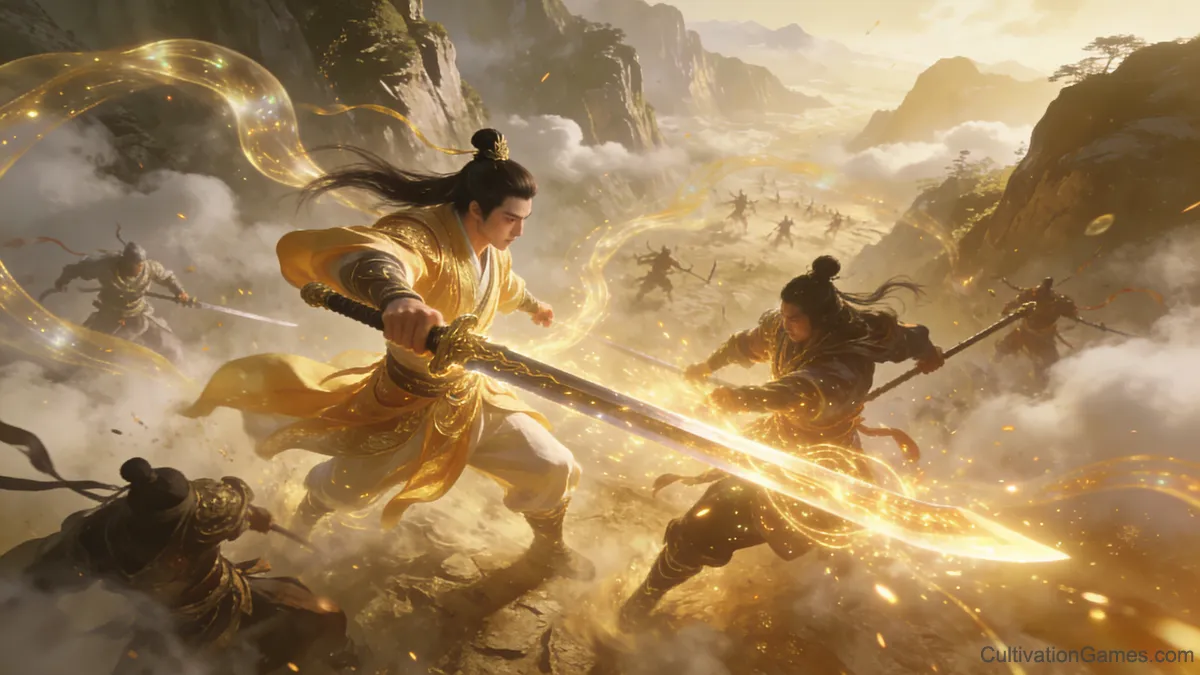
In Amazing Cultivation Simulator, blade-focused characters excel at clearing rooms but struggle against highly mobile or ranged enemies. Blade cultivators shine when they can stay in melee range and continuously apply pressure.
Played well, blade builds stack life steal, attack speed, and AoE cleave, allowing them to tank through damage while cutting down groups.
Played poorly—without gap closers or crowd control—they get kited endlessly, wasting stamina and dying slowly to ranged enemies or spellcasters.
The most concerning questions you have
Quickly providing clear answers for you to get started fast.
Is Blade Cultivator good for beginners?
Yes. Blade Cultivator is beginner-friendly because its playstyle focuses on straightforward attacks, high base damage, and forgiving combat mechanics.
Is Blade Cultivator strong in casual gameplay?
Yes. Blade Cultivator performs very well in casual gameplay thanks to its high damage per hit and durability, even without optimized builds or perfect gear.
What is the playstyle of a Blade Cultivator?
Blade Cultivators focus on heavy strikes, sustained damage, and close-range combat. Their playstyle rewards aggression and endurance rather than speed or precision.
Is Blade Cultivator overpowered?
Blade Cultivator is generally balanced. It may feel very strong in early game due to high base damage, but its effectiveness depends more on positioning and survivability in later stages.
Is Blade Cultivator viable in late game?
Yes, but Blade Cultivators often rely on defensive scaling or damage amplification systems in late game, such as lifesteal, damage reduction, or law synergies.
Is Blade Cultivator good for solo play?
Yes. Blade Cultivators are well-suited for solo play because they can absorb damage and maintain pressure in prolonged fights.
What makes Blade Cultivator different from Sword Cultivator?
Blade Cultivators emphasize power and endurance, while Sword Cultivators focus on speed and precision. Blade Cultivators trade mobility for higher durability and heavier hits.
Do Blade Cultivators require heavy grinding?
No. Blade Cultivators usually remain effective with average gear and steady progression, making them suitable for players who prefer a relaxed pace.
How Blade Cultivation Actually Feels
If sword cultivation is about space, blade cultivation is about momentum.
You are closer. Always closer than feels safe. Blade builds live in mid-range to near-melee territory, where mistakes hurt—but hesitation hurts more. The moment you stop pushing forward, you start losing.
In the Qi Condensation stage, blade cultivation feels strong in a very immediate way. Your hits land hard. Enemies stagger. You don’t need perfect positioning just to survive.
This is why so many new players gravitate toward blades early on. Compared to sword builds, blade cultivation feels forgiving. You can take a hit. Sometimes you’re supposed to.
But that early comfort comes with a cost later.
The Blade Mentality: Trading Blood for Control
Blade cultivators don’t kite. They contest.
Instead of keeping enemies at arm’s length, you pressure them into bad decisions. You interrupt casts. You force trades. You break formations. Blade cultivation rewards players who understand when to push and when to absorb damage for advantage.
Once you hit Foundation Establishment, this mindset starts to define your entire playstyle. You gain skills that thrive in close proximity—cleaves, shockwaves, follow-up strikes that trigger only if you stay engaged.
Backing off too early often feels worse than staying in.
That’s the blade path in a nutshell.
Where Blade Cultivation Peaks
Blade builds don’t spike the same way sword builds do.
There’s no sudden “everything melts” moment.
Instead, the power curve is steady and aggressive. At Golden Core, blade cultivators start feeling unstoppable in prolonged fights. You’re not bursting enemies down—you’re wearing them out. Your sustain, stagger, and pressure compound over time.
By Nascent Soul, a well-built blade cultivator becomes terrifying in enclosed spaces or prolonged encounters. You thrive where movement is limited and enemies can’t disengage easily.
In cultivation novels, blade users often dominate battlefields rather than duels. In Renegade Immortal and similar stories, blade-focused characters carve through groups, forcing enemies to retreat rather than chasing clean kills.
Different fantasy. Same idea.
Why Blade Cultivators Feel “Unkillable” (Until They Aren’t)
Blade cultivation gives a dangerous illusion of safety.
You’re tougher than sword cultivators.
You recover faster.
You can afford mistakes—up to a point.
The problem is that blade builds encourage overconfidence. When things go wrong, they go wrong fast. Crowd control, burst damage, or getting surrounded can erase your advantages instantly.
Blade cultivators don’t lose slowly. They collapse.
That’s why experienced blade players develop an almost stubborn awareness of positioning. They don’t charge blindly. They choose where fights happen.
Once you lose control of the fight space, you’re in trouble.
Blade vs Sword: The Real Difference
Sword cultivators avoid damage.
Blade cultivators manage it.
Sword builds reward perfection.
Blade builds reward resilience.
In PvE, blades excel in messy fights—dense enemy packs, narrow terrain, attrition-heavy encounters. In PvP-style scenarios, blade cultivators force reactions. They don’t wait for openings; they create them.
Neither path is “better.” They simply punish different mistakes.
The Stuff Blade Players Learn the Hard Way
The Good
Strong early and mid-game presence
Feels powerful without perfect gear
Excellent in sustained fights
Thrives in crowded or chaotic encounters
The Ugly
Late-game mobility can feel lacking
Overconfidence gets you killed
Requires good timing, not just aggression
Suffers against highly evasive enemies
Blade cultivation rewards commitment. If you hesitate, you die. If you overcommit, you also die. Finding that balance is the entire game.
The Classic Blade Traps
The biggest mistake blade players make is treating toughness as immortality.
Yes, you’re sturdier than most builds—but you’re not invincible. Ignoring crowd control, positioning, or sustain mechanics turns blade cultivation into a liability.
Smart blade players invest in:
Sustain effects
Stagger or control tools
Effects that reward staying in combat
A blade cultivator who can’t stay engaged safely isn’t aggressive.
They’re reckless.
Who Blade Cultivation Is Really For
Blade cultivation appeals to a very specific type of player.
If you like clean kills, skip it.
If you hate trading health for progress, skip it.
But if you enjoy pressure-heavy combat, prolonged fights, and the feeling of breaking enemies through sheer persistence—blade cultivation delivers something sword builds never will.
It’s not flashy.
It’s not elegant.
But when you walk out of a fight still standing, blade in hand, surrounded by what didn’t survive—you’ll understand why this path exists.
And why some players never leave it.
Performance & Playstyle Ratings (From Actual Runs)
Before getting into details, here’s the honest breakdown most Blade players eventually agree on:
Survivability: High, until you get careless
Damage Consistency: Very high in long fights
Mobility: Medium, heavily build-dependent
Learning Curve: Easy to start, hard to refine
Late-Game Scaling: Strong, but not automatic
Blade cultivation doesn’t spike. It accumulates. If you enjoy builds that grow stronger the longer the fight lasts, you’re in the right place.
Essential Stat Priority: The “Grit” Meta
Blade cultivation forces you to rethink stats.
Sword players chase burst and crit. Blade players chase permission to stay in the fight.
After multiple failed runs, most experienced blade players end up valuing the same things:
Life Steal (Vampirism)
This is not optional. Blade builds don’t avoid damage—they convert aggression into survival. If you stop hitting, you stop healing. That’s the contract.
Stun Resistance
Mid-range combat means you’re always one mistake away from getting locked down. Most blade deaths don’t come from damage—they come from losing control.
Health Recovery (Flat or Percentage)
Big health pools feel nice, but they’re useless if you can’t refill them during extended fights. Blade cultivation lives in the grind, not the burst.
Damage Reduction
This becomes critical around Foundation Establishment and Golden Core, where enemy damage suddenly stops being forgiving. DR buys you time—and time is everything.
Elemental Synergies: What Actually Works
A blade is physical. It needs an element to give it personality.
Over time, three pairings show up again and again:
Earth + Blade (The Mountain)
This is the “I am not moving” build. Heavy damage reduction, super-armor, and brutal punishment for anyone who stays close. It’s slow, but relentless.
Fire + Blade (The Pressure Cooker)
Fire turns blade pressure into inevitability. Burn effects stack while you keep enemies locked in combat. You don’t rush kills—you suffocate them.
Wind + Blade (The Storm)
Less common, but terrifying when done right. Wind solves the blade’s biggest weakness: mobility. This setup favors sharp engagements and controlled disengages, rather than face-tanking everything.
Advanced Combat Habits Blade Players Develop
These aren’t mechanics the game explains. You learn them the hard way.
Interrupt Timing
Heavy blade skills often cancel enemy casts. You stop watching health bars and start watching animations—hands, wind-ups, pauses.
Stagger Control
Heavy hits quietly build toward a breaking point. When it happens, that’s when you commit everything. Blade players win fights by recognizing that moment.
Edge-Dashing
Dashing into an attack sounds wrong until you realize it can trigger perfect dodge effects. Done right, it turns defense into offense instantly.
Sword vs Blade vs Body: The Real Difference
| Aspect | Sword Cultivator | Blade Cultivator | Body Cultivator |
|---|---|---|---|
| Combat Range | Long, controlled | Mid, contested | Close, committed |
| Defense Style | Avoidance | Sustain | Absorption |
| Skill Expression | Timing | Pressure | Resource control |
| Best Scenarios | Duels | Chaotic fights | Boss endurance |
None of these paths are better. They just punish different mistakes.
Community Questions That Come Up Every Time
Why does my Blade build feel weaker in the late game?
You’re probably ignoring armor penetration. High-realm enemies don’t care about raw damage anymore.
Is Life Steal better than Shields?
For blades, usually yes. Shields reward passive play. Blade kits reward momentum.
Can I switch from Sword to Blade mid-run?
It’s expensive, but doable. Ironically, good sword players often become excellent blade players—they already understand spacing and patience.
Blade Intent: Why This Path Exists
In cultivation stories, the blade represents dominance through force of will.
Swords follow the heavens.
Blades challenge them.
Blade cultivators are rarely chosen ones. They’re survivors. Characters who weren’t born perfect, but kept standing when others fell.
That philosophy shows up in games, whether developers intended it or not.
Blade cultivation isn’t clean.
It isn’t elegant.
But if you like builds that win by refusing to go down, this path will feel right—long before it feels safe.
Related Categories
- Explore more in "Cultivation Path" VIEW ALL