
Is Tale of Immortal Fun?An Honest, Long-Term Player’s Answer (With Real Examples)
Is Tale of Immortal Fun?
Short answer?
Yeah. It is.
But probably not for the reason you expect.
I didn’t love Tale of Immortal the first time I launched it.
In fact, I almost refunded it.
The UI felt dry, the systems were dumped on me with minimal explanation, and the early game moved at a glacial pace. Nothing exploded. No epic music kicked in. No NPC told me I was “the chosen one.”
Then, about ten hours in, something clicked — and I realized this game wasn’t trying to entertain me in the usual way.
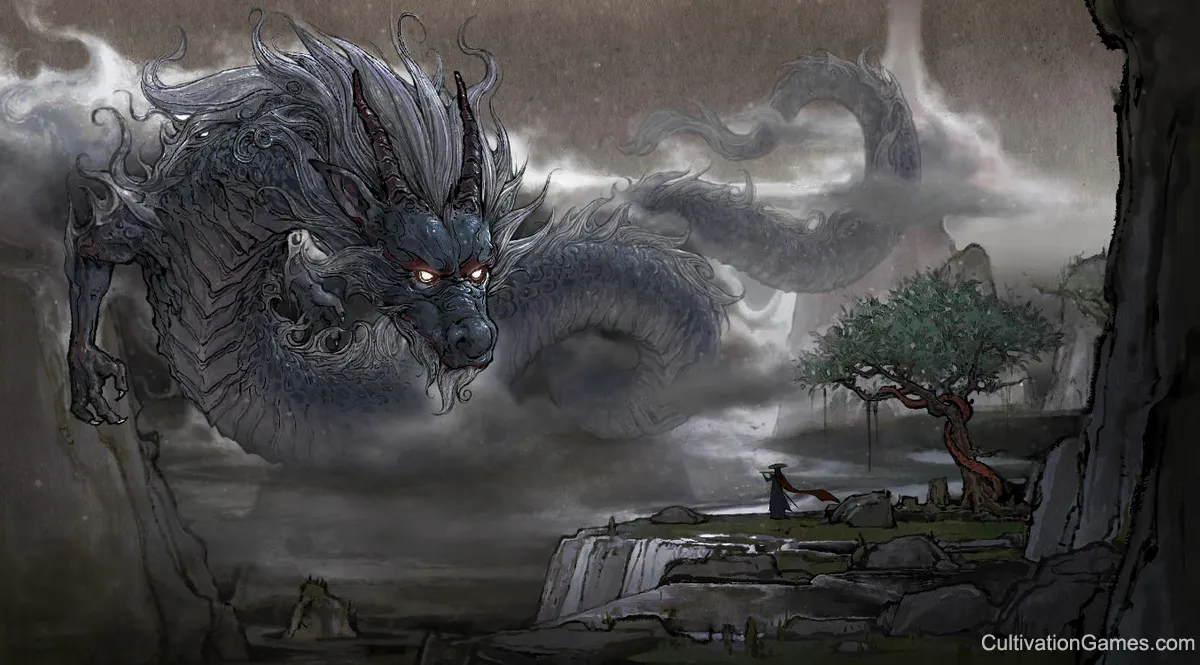
What “Fun” Actually Means in Tale of Immortal
If you’re expecting fun to mean constant action, flashy combat, or cinematic storytelling, you’ll probably bounce off this game.
That’s not what it’s doing.
The fun here is quieter. Slower.
It comes from watching a system respond to your decisions, sometimes hours later, sometimes in ways you didn’t plan.
I’ll give you an example.
On one of my early runs, I rushed a cultivation breakthrough because I didn’t want to wait for better materials. I failed. My character survived, but with permanent drawbacks. At first, I was annoyed. It felt unfair.
Twenty hours later, that failure completely changed how I played. I avoided certain fights, leaned harder into social manipulation, and ended up taking over a sect through alliances instead of brute force.
That wasn’t scripted.
That was the game quietly saying: “Live with it.”
And that’s when it became fun.
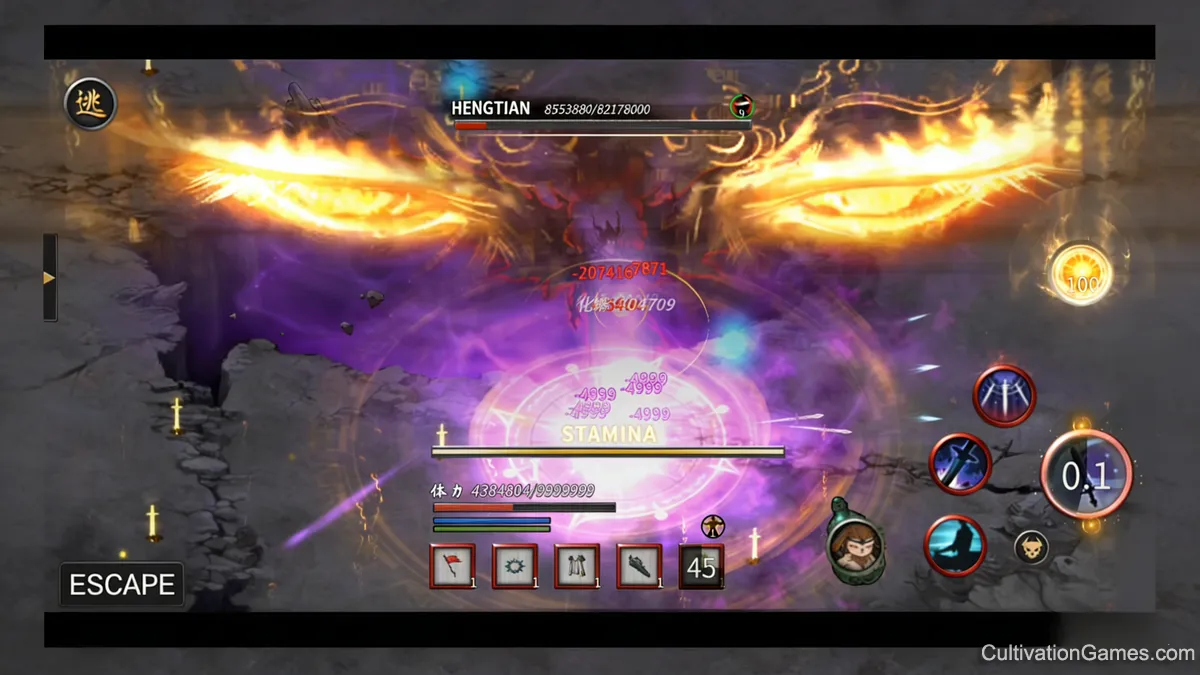
Freedom That Feels Dangerous (In a Good Way)
A lot of games say they’re sandbox.
Most of them still hold your hand.
Tale of Immortal doesn’t.
You can:
Ignore the main quest for ages
Kill NPCs you probably shouldn’t
Betray sects, steal manuals, ruin relationships
Play nice… or be a complete menace
And the world remembers.
NPCs don’t reset emotionally. They gossip. They hold grudges. They react to your realm, your reputation, and sometimes your past mistakes.
It feels closer to Kenshi than to a traditional RPG — except instead of chaos everywhere, the chaos is personal.
Cultivation Progression: Slow, But It Sticks
Let’s be clear:
This game is slow.
You don’t level up every five minutes. Breakthroughs take preparation. Sometimes luck. Sometimes patience you don’t feel like having.
But when you finally push into a new realm?
It lands.
People treat you differently. You get access to mechanics that actually change how you play, not just bigger numbers. Combat opens up. Social interactions shift.
That sense of earned power is rare, and it’s the main reason long-term players stick around.
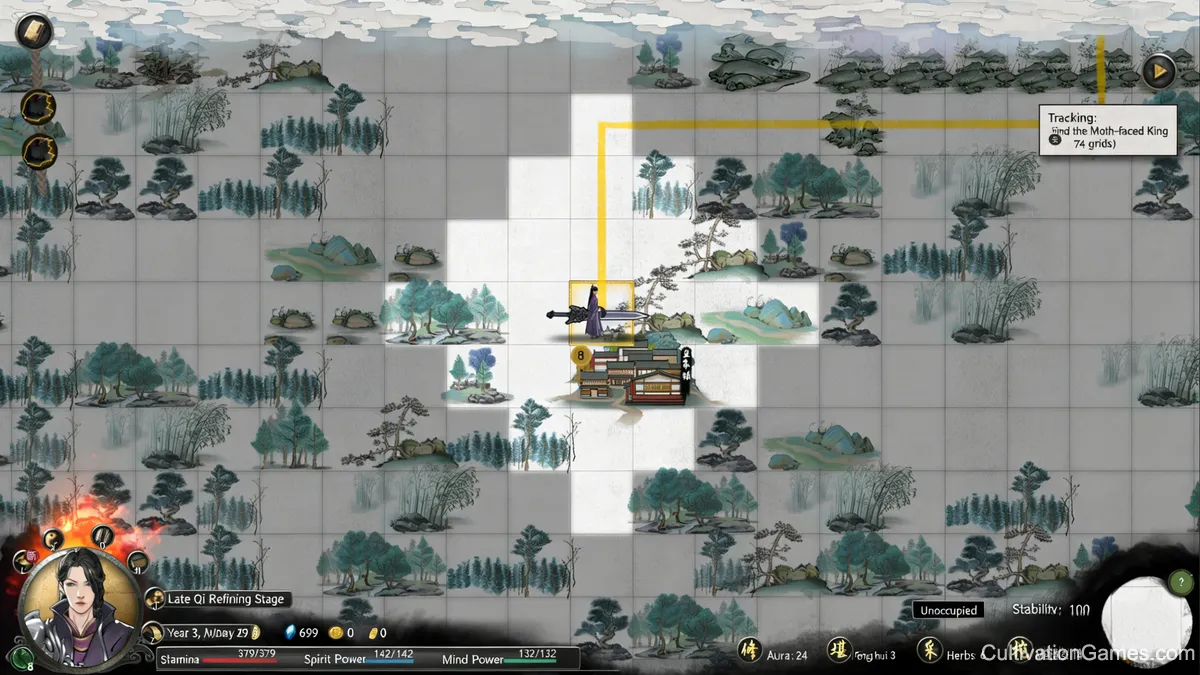
Is the Combat in Tale of Immortal actually good?
Combat won’t blow your mind.
It’s serviceable. Functional.
Most of the depth comes from build choices and preparation, not twitch skill.
If you enjoy tweaking builds, testing synergies, and seeing how small changes affect fights, it works.
If you want fast, reactive combat with high mechanical skill ceilings, this isn’t that game.
Personally? I was fine with it. Combat felt like a tool, not the point.
How It Feels Compared to Other Sandbox Games
I’ve spent a lot of time in similar games, so here’s the honest comparison — not marketing talk.
| Game | How the “Fun” Feels |
|---|---|
| Kenshi | Brutal freedom, constant danger, stories born from suffering |
| RimWorld | Systems colliding to create ridiculous, memorable disasters |
| Cultivation Simulator | Deep but overwhelming, colony-first design |
| Tale of Immortal | Focused sandbox where your character is the story |
I’ve put dozens of hours into Kenshi, and that same “I shouldn’t have done that… oh no” feeling absolutely exists here — just in a more controlled, cultivation-focused way.
Difficulty, Grind, and Realistic Scores
These are my scores, based on how I play — slow, methodical, and okay with failure.
| Category | Score | Why |
|---|---|---|
| Learning Curve | 7/10 | Rough early, smooth once it clicks |
| Combat Difficulty | 6/10 | Build matters more than reflexes |
| Grind | 7/10 | Noticeable, but usually purposeful |
| Freedom | 9/10 | Choices actually matter |
| Replay Value | 8/10 | Random worlds keep runs fresh |
| Overall Fun | 8/10 | Drops hard if expectations are wrong |
If you love optimization and long-term planning, you might rate the grind lower.
If you hate waiting, you’ll rate it higher — and not in a good way.
Is Tale of Immortal Fun for New Players?
It depends on how you approach it.
If you’re okay with:
Not understanding everything at first
Making mistakes that stick
Learning systems by doing
Then yes, it can be extremely rewarding.
If you want a game that explains itself clearly and rewards you every hour?
This probably isn’t it.
A lot of players quit before the game really shows its strengths. The ones who stay usually get hooked.
So… Is Tale of Immortal Fun?
Here’s how I’d put it if we were talking over coffee:
If you enjoy games that respect your intelligence, let you fail, and don’t rush to impress you, Tale of Immortal can be deeply satisfying.
It’s not loud. It’s not flashy.
But once it gets its hooks in, it’s hard to let go.
Just don’t expect it to entertain you.
It expects you to meet it halfway.
>>>Is Tale of Immortal Worth Playing in 2026? A Brutally Honest Review
Is Tale of Immortal hard?
Early on, yes — mostly because it doesn’t explain much.
Is it grindy?
Somewhat. The grind usually feeds progression, not filler.
Is it worth buying?
If you like sandbox and cultivation systems, absolutely.
Related Categories
- Explore more in "PC Game Tale of Immortal" VIEW ALL